
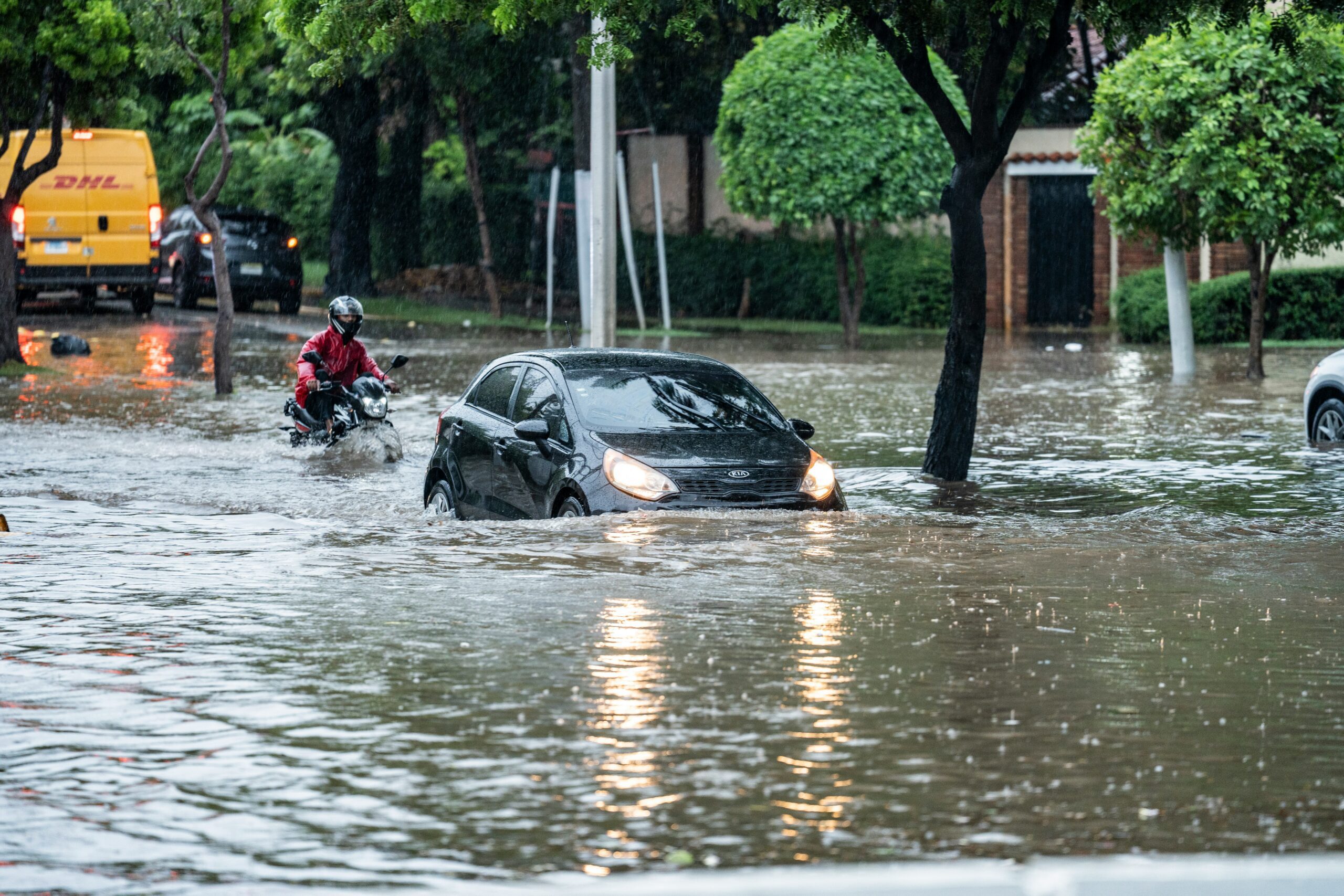
Severe flooding continues to affect many parts of Ireland, bringing challenging conditions for motorists and increasing the risk of vehicle damage. While most drivers understand the basic safety concerns around flooding, far fewer realise the insurance implications of driving through flood water — and how a single decision can impact a future claim.
In this article, we break down the real risks, the guidance from national authorities, and what drivers need to know about motor insurance cover during flood events.
The Safety Risks: Flood Water Is Far More Dangerous Than It Appears
The Road Safety Authority (RSA) advises motorists that if the road ahead is flooded, the safest option is to avoid it entirely and choose an alternative route. Water can obscure dips, debris, fallen branches, displaced drain covers and structural road damage, all of which can pose serious dangers.
Even seemingly shallow flood water can create life‑threatening situations. Research shows that 300 mm of fast‑flowing water is enough to move most cars, and 150 mm can knock a person off their feet. These forces often catch drivers off guard, leading to stalled engines, loss of control or, in worst cases, vehicles being swept away.
Insurance Cover: What Motorists Need to Know
Flood‑related vehicle damage is typically covered under a fully comprehensive motor insurance policy, especially when caused by heavy rain, rising water, or other natural flooding events. This can include damage to the engine, electrics, upholstery and other internal components if water enters the vehicle unexpectedly. [rsa.ie]
However, the circumstances matter greatly. Insurers generally differentiate between:
Unavoidable Flood Damage
This refers to situations where the driver could not reasonably prevent the damage — for example, the vehicle was parked at home when sudden flooding occurred. In such cases, insurers typically accept claims and proceed with assessment.
Avoidable Flood Damage
This is where serious issues arise. If a driver knowingly enters flood water, most insurers categorise the resulting damage as avoidable. In these scenarios, the insurer may refuse the claim entirely, even under a comprehensive policy. [gov.ie]
Some insurers also consider driving into flood water a form of reckless behaviour, which can invalidate cover altogether. [garda.ie]
What About Third‑Party Policies?
Drivers relying on third‑party or third‑party fire & theft motor insurance should be aware that these policies typically do not cover flood damage to their own vehicle. Repairs or replacement in the event of water damage would therefore fall entirely to the vehicle owner.
How Flood Claims Affect Premiums
Even if a flood‑related claim is accepted, motorists should understand that many insurers treat such claims as “at‑fault” due to the absence of a recoverable third party. As a result, premiums may increase at renewal, and no‑claims discounts may be impacted depending on the insurer’s rules. [hpsc.ie]
If Your Vehicle Has Been Exposed to Flood Water
If your car has been flooded or partially submerged when driving through a flood, taking the right steps early can make a significant difference:
Do not attempt to start the engine, as this can cause further internal damage.
Document the situation with photographs, capturing the exterior and interior.
Contact your insurer promptly to begin the claims process.
These steps align with best‑practice guidance from insurance and motoring experts. [gov.ie]
Supporting Irish Motorists Through Severe Weather
Flooding events in Ireland are becoming more frequent, and the risks — both physical and financial — are increasing in parallel. For motorists, understanding the limitations of your insurance policy is essential to avoid unexpected costs after a flood.
At LHK Group, we are committed to supporting our clients with clear guidance, tailored protection, and responsive service when severe weather impacts their vehicles. If you are unsure what your current motor policy covers, or if recent flooding has raised new concerns, our team is here to help.
Stay safe, stay informed, and avoid driving through flood water — for your safety and your cover.